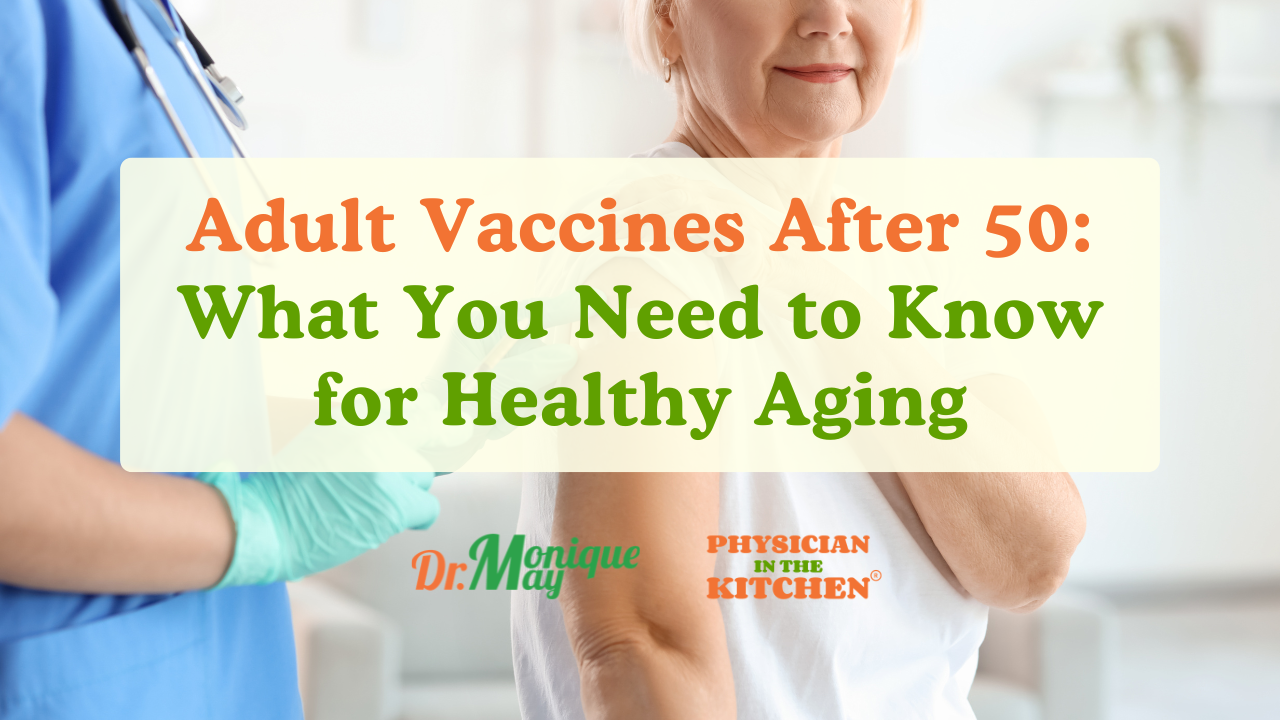
Many people think of vaccines as something we get during childhood and then leave behind. But your vaccination needs can change throughout your life.
As we age, our immune systems can become less responsive, and certain infections can cause more serious complications. Staying current on recommended immunizations is one important part of preventive care and healthy aging.
During National Immunization Awareness Month, it is a good time to take a closer look at adult vaccination and why it matters at every stage of life.
Table of Contents
Why Adult Vaccination Matters
Vaccination is not just about preventing an illness for a few days. Some vaccine-preventable diseases can lead to hospitalization, long-term health complications, or even death, particularly among older adults and people with certain health conditions.
Vaccines work by training your immune system to recognize and respond to specific infections. Staying up to date can help reduce your risk of serious disease and can also help protect people around you who may be more vulnerable to infection.
Think of vaccines as part of your overall preventive health strategy, alongside eating well, staying active, getting adequate sleep, managing stress, and keeping up with regular health screenings.
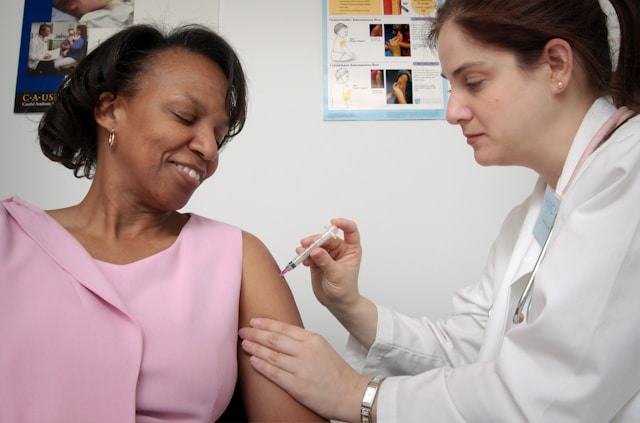
Common Vaccines Recommended After Age 50
Your vaccination needs depend on your age, health history, previous vaccinations, occupation, travel, and other individual factors. However, several vaccines become particularly important as we get older. Here are some adult vaccines you might need.
Shingles Vaccine
Shingles is caused by reactivation of the chickenpox virus that remains in the body after an earlier infection. The risk of shingles increases with age.
The shingles vaccine is recommended for adults 50 and older, as well as certain younger adults with weakened immune systems. It can help prevent shingles and its complications, including long-lasting nerve pain.
Pneumococcal Vaccines
Pneumococcal bacteria can cause serious infections, including pneumonia, meningitis, and bloodstream infections.
Adults may need pneumococcal vaccination based on age and certain medical conditions. Because recommendations can change, ask your healthcare provider which vaccine or vaccination schedule is appropriate for you.
Influenza Vaccine
Flu vaccination is recommended every year for most adults. This is especially important as we age because influenza can lead to serious complications, including pneumonia and hospitalization.
The flu virus also changes over time, which is one reason annual vaccination remains important.
COVID-19 Vaccines
COVID-19 vaccination recommendations are updated as evidence and circulating virus strains change. Older adults and people with certain medical conditions may have a higher risk of severe disease.
Talk with your healthcare provider about the current recommendations for your age and individual risk factors.
Tetanus, Diphtheria, and Pertussis
Adults should stay up to date with tetanus and diphtheria protection, with pertussis protection included in certain doses.
A Tdap vaccine is particularly important for adults who have never received it and during each pregnancy to help protect newborns from pertussis.
Debunking Common Vaccine Myths
Myth: “I had my childhood vaccines, so I’m covered for life.”
False.
Some vaccines require booster doses, additional doses later in life, or updated formulations. Immunity can also decrease over time.
Myth: “Healthy adults don’t need vaccines.”
Being healthy does not make you immune to vaccine-preventable diseases.
In fact, staying current with preventive care is one way healthy adults can help remain healthy.
Myth: “Vaccines can give me the disease they’re designed to prevent.”
Vaccines are designed to stimulate an immune response without causing the disease in the way the actual infection does. Different vaccines use different technologies, so your healthcare provider can explain how a specific vaccine works. Symptoms such as a mild fever, muscle aches, or fatigue are signs that your immune system is working and responding to the vaccine.
Myth: “If everyone else is vaccinated, I don’t need to be.”
Vaccination provides individual protection while also contributing to community protection (also known as herd immunity). When more people are protected, infections have fewer opportunities to spread.
Who Is at Higher Risk for Vaccine-Preventable Diseases?
Certain adults may be more vulnerable to serious complications from infections.
This can include:
- Adults over 50 or 65, depending on the disease and vaccine
- People with chronic medical conditions
- People with weakened immune systems
- Pregnant individuals
- People living in long-term care settings
- Healthcare workers and others with increased occupational exposure
- People traveling to areas where certain infectious diseases are more common
Your vaccination recommendations should be personalized to your health history and circumstances.
How Vaccines Protect Communities
Vaccination is both personal prevention and community protection.
Some people cannot receive certain vaccines because of age, allergies, immune conditions, or other medical reasons. Infants may also be too young for some immunizations.
When people who can safely be vaccinated stay up to date, they help reduce the spread of infections and provide an additional layer of protection for vulnerable members of the community.
That is one reason vaccination is not simply about protecting yourself. It is also about protecting the people around you.
Don’t Wait Until You’re Sick to Think About Prevention
Preventive medicine works best before a problem occurs.
Your annual physical or wellness visit is a great opportunity to review your vaccination history. You may also discover that you are due for a vaccine you have overlooked, especially if you have changed doctors, moved, traveled, or cannot remember which vaccines you have received.
If you do not have your complete vaccination record, don’t panic. Your healthcare provider can help determine what information is available and what steps may be appropriate.
Talking to Your Healthcare Provider About Immunizations
Not sure which vaccines you need? Start with these questions:
- Am I up-to-date on my recommended vaccines?
- Do I need any vaccines because of my age?
- Do my medical conditions change which vaccines I should receive?
- Do I need a booster or additional dose?
- Are there vaccines I should receive before traveling?
- Can my pharmacy or healthcare provider access my vaccination history?
Recommendations can change as new evidence becomes available, so it is worth reviewing your immunizations regularly.
Prevention Is More Than Vaccines
Vaccines are an important part of preventive care, but protecting your health involves more than immunizations. A healthy lifestyle, including a diet centered on whole plant foods, regular physical activity, adequate sleep, and stress management, can also support overall health as you age.
If you are looking for practical ways to add more plants to your plate, visit Physician in the Kitchen® for plant-based recipes and evidence-informed nutrition guidance designed to make healthy eating simple and delicious.
DOCTOR’S ORDERS
Review your vaccination record every year and ask your healthcare provider whether you’re due for any recommended immunizations.
Vaccines are not just for children. They are an important part of preventive medicine throughout adulthood and can help you stay healthier as you age.
Your future self may thank you for taking care of this today.
This article is for educational purposes and is not a substitute for individualized medical advice. Vaccine recommendations vary based on age, health conditions, vaccination history, pregnancy status, travel, and other factors. Talk with your healthcare provider about which immunizations are appropriate for you.