Inflammation has a bad reputation. But the truth is, your body needs it.
When you cut your finger, twist an ankle, or develop an infection, inflammation is part of your body’s built-in defense and repair system. It helps your immune system respond to threats, remove damaged cells, and begin the healing process.
The problem is not inflammation itself. The problem is inflammation that doesn’t turn off.
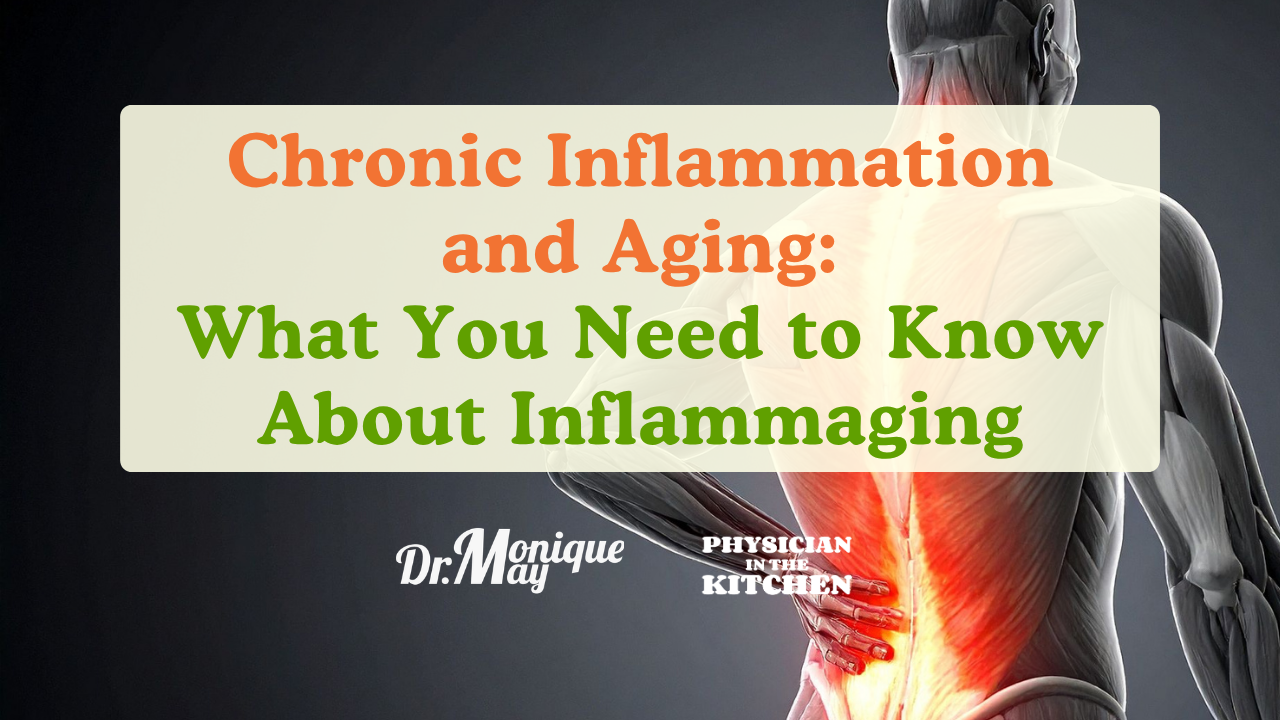
When inflammation becomes persistent, it can contribute to tissue damage and is associated with many chronic conditions. And as we age, our bodies can develop a persistent, low-grade inflammatory state known as inflammaging.
The good news? Healthy lifestyle choices can help support your body’s ability to regulate inflammation and promote healthier aging.
Table of Contents
What Is Inflammation?
Think of inflammation as your body’s emergency response system.
When your immune system detects an injury, infection, or other threat, it sends immune cells and chemical signals to the affected area. This can cause redness, warmth, swelling, and pain.
Although those symptoms can be uncomfortable, they are part of the healing process.
Acute inflammation is temporary and protective.
Once the problem is resolved, the inflammatory response should settle down.
The concern is chronic inflammation, which can persist for months or years and may contribute to ongoing tissue damage.
Acute vs. Chronic Inflammation
Acute inflammation:
Short-term, rapid, and generally protective. Examples include inflammation caused by an injury or infection.
Chronic inflammation:
Long-lasting and often low-grade. It can occur when inflammatory processes remain activated even when there is no immediate threat that needs to be addressed.
So, inflammation isn’t something we need to eliminate. We need the right amount, at the right time.
What Is Inflammaging?
As we get older, our immune system changes.
One result can be a persistent, low-grade inflammatory state known as inflammaging. Researchers are studying how inflammaging interacts with the biological processes of aging and age-related diseases.
Inflammaging has been associated with conditions affecting cardiovascular health, metabolism, brain health, muscle function, and overall physical resilience.
But here’s an important point:
Aging does not automatically mean you are destined to become chronically inflamed.
Lifestyle, genetics, existing health conditions, environmental exposures, and other factors all play a role.
How Chronic Inflammation Affects Healthy Aging
Healthy aging isn’t simply about adding more birthdays to the calendar.
It’s about maintaining your ability to move, think, function, and enjoy life as you get older.
Persistent inflammation may interfere with several systems involved in healthy aging.
- Heart and blood vessels: Chronic inflammation is strongly associated with cardiovascular disease and may contribute to processes involved in cardiovascular damage.
- Metabolic health: Inflammation is also connected with metabolic conditions, including type 2 diabetes.
- Brain health: Inflammatory processes are being studied in relation to neurodegeneration, cognitive decline, and conditions such as dementia.
- Muscles and physical function: Inflammation may also contribute to muscle loss, frailty, and declining physical function as we age.
This is why healthy aging isn’t simply about living longer.
It’s about maintaining your strength, mobility, independence, and quality of life for as long as possible.

Common Lifestyle Habits That Can Fuel Inflammation
Inflammation is influenced by many factors, including genetics, infections, underlying medical conditions, environmental exposures, and aging.
Lifestyle is only one piece of the puzzle, but it is a piece we can often influence.
1. Being sedentary
Our bodies were designed to move.
Regular physical activity is associated with better cardiovascular and metabolic health and supports healthy aging.
2. Not getting enough restorative sleep
Sleep isn’t simply “downtime.”
It’s an active period when your body and brain carry out important maintenance processes. Poor-quality or insufficient sleep is associated with a number of health problems, including cardiovascular disease and diabetes.
Most adults should aim for 7 to 9 hours of quality sleep each night to support overall health and well-being.
3. Chronic stress
Stress is part of being human.
The problem is when the body’s stress response is activated over and over again without adequate recovery. Persistent stress can contribute to chronic inflammation and is associated with increased risk of several chronic diseases.
4. A diet dominated by highly processed foods
Your overall eating pattern matters far more than any single “superfood.”
Patterns high in refined carbohydrates, sugary beverages, highly processed foods, and processed meats have been associated with inflammation and chronic disease risk.
5. Smoking and excessive alcohol use
Smoking and excessive alcohol consumption can contribute to chronic inflammation and increase the risk of multiple chronic diseases.
Science-Backed Ways to Support Healthy Inflammation
You don’t need an expensive “detox” or a cabinet full of supplements to support healthy aging.
Start with the basics.
1. Eat More Whole Plant Foods
Build your meals around foods such as:
- Beans and lentils
- Vegetables, especially leafy greens and cruciferous vegetables
- Berries and other colorful fruits
- Whole grains
- Nuts and seeds
- Flaxseed and chia seeds
- Herbs and spices
These foods provide fiber, vitamins, minerals, antioxidants, and other beneficial plant compounds.
Think dietary pattern, not magic food.
No single food will eliminate inflammation. Your overall eating pattern matters much more.
2. Move Your Body
Walking, cycling, dancing, swimming, gardening, and strength training all count.
Regular physical activity supports cardiovascular health, metabolic health, brain health, sleep, and healthy aging.
And don’t forget strength training. Maintaining muscle is one of the best investments you can make in your future independence.
3. Prioritize Sleep
Most adults need approximately 7 to 9 hours of sleep each night.
Create a consistent sleep schedule and make your bedroom conducive to restful sleep.
If you regularly wake up gasping, snore loudly, or remain exhausted despite getting enough time in bed, talk with your doctor.
4. Manage Stress
You can’t eliminate stress, but you can build recovery into your routine.
Try activities such as:
- Walking outdoors
- Deep breathing
- Meditation
- Yoga
- Journaling
- Spending time with people you love
- Hobbies that help you relax
The best stress-management strategy is the one you can actually maintain.
5. Don’t Smoke
If you smoke, quitting is one of the most powerful steps you can take for your long-term health.
And it’s never too late to benefit from quitting.
A Plant-Based Approach to Inflammation
As a plant-based physician, this is where I want to emphasize something important:
Eating more plants isn’t about finding one magical anti-inflammatory food.
It’s about building a dietary pattern that consistently gives your body the nutrients and protective compounds it needs.
A colorful plate might include:
½ plate: vegetables and/or fruit
¼ plate: beans, lentils, tofu, tempeh, or another plant protein
¼ plate: whole grains or starchy vegetables
Plus: nuts, seeds, avocado, or another source of healthy fats as appropriate
This approach naturally increases your intake of fiber and a wide variety of plant compounds.
And if you’re looking for practical ways to eat more plants, that’s exactly what I do here at Physician in the Kitchen®: make healthy plant-based eating approachable, flavorful, and realistic for everyday life.
When Should You Talk to Your Doctor About Inflammation?
Here’s an important misconception:
You cannot always tell whether you have chronic inflammation by how you feel.
Chronic inflammation can be subtle or even symptom-free.
However, if you have persistent symptoms such as unexplained fatigue, ongoing pain or swelling, unexplained weight changes, recurrent digestive problems, prolonged fever, or other symptoms that concern you, talk with your healthcare professional.
More importantly, don’t try to diagnose “inflammation” yourself based on a social media checklist.
There are blood tests that can measure markers associated with inflammation, such as C-reactive protein, but these tests must be interpreted in the context of your overall health. There isn’t a single test that can tell you everything about your body’s inflammatory status.
If you have a diagnosed inflammatory or autoimmune condition, work with your healthcare team rather than attempting to manage it with diet alone.
DOCTOR’S ORDERS
Not all inflammation is harmful.
Acute inflammation is an essential part of your body’s defense and healing system.
The concern is chronic inflammation that persists when it is no longer serving a useful purpose.
As you age, persistent low-grade inflammation, or inflammaging, may become part of the complex biology associated with aging and age-related disease.
You can’t control every factor that influences inflammation.
But you can control many of your daily habits.
My prescription for healthy aging:
- Move your body regularly.
- Include strength training as part of your exercise routine.
- Eat a nutrient-rich diet built around whole plant foods.
- Get approximately 7 to 9 hours of restorative sleep.
- Find healthy ways to manage stress.
- Don’t smoke.
- Keep up with preventive medical care.
- Don’t ignore persistent or unexplained symptoms.
You don’t need to “fight inflammation.”
You need to help your body maintain the right inflammatory response at the right time.
That’s a very different goal, and a much healthier one.