What if one of the most powerful tools we have to improve our health… could also help protect the planet?
It may sound like a bold claim, but it’s one I’ve come to believe deeply—not just as a physician, but as someone who has spent years helping people transform their health through what’s on their plate.
The truth is, the same dietary patterns that help prevent and manage chronic disease are also among the most sustainable for our environment.
The Chronic Disease Crisis We Can’t Ignore
As a physician, I’ve spent decades caring for patients with conditions that are largely preventable… heart disease, type 2 diabetes, hypertension, and obesity.
Chronic diseases remain the leading causes of death and disability, and they are responsible for a significant portion of healthcare spending. But beyond the numbers, there’s a human story behind each diagnosis—fatigue that limits daily life, medications that manage but don’t cure, and families impacted for generations.
What makes this even more challenging is that many people don’t realize how much influence their daily habits—especially their diet—can have on their long-term health.
Food is not just fuel. It is medicine.
And yet, for far too long, nutrition has not been a central part of how we approach healthcare.
A Different Approach: Food as Preventive Medicine
When we shift the conversation from treatment to prevention, everything changes.
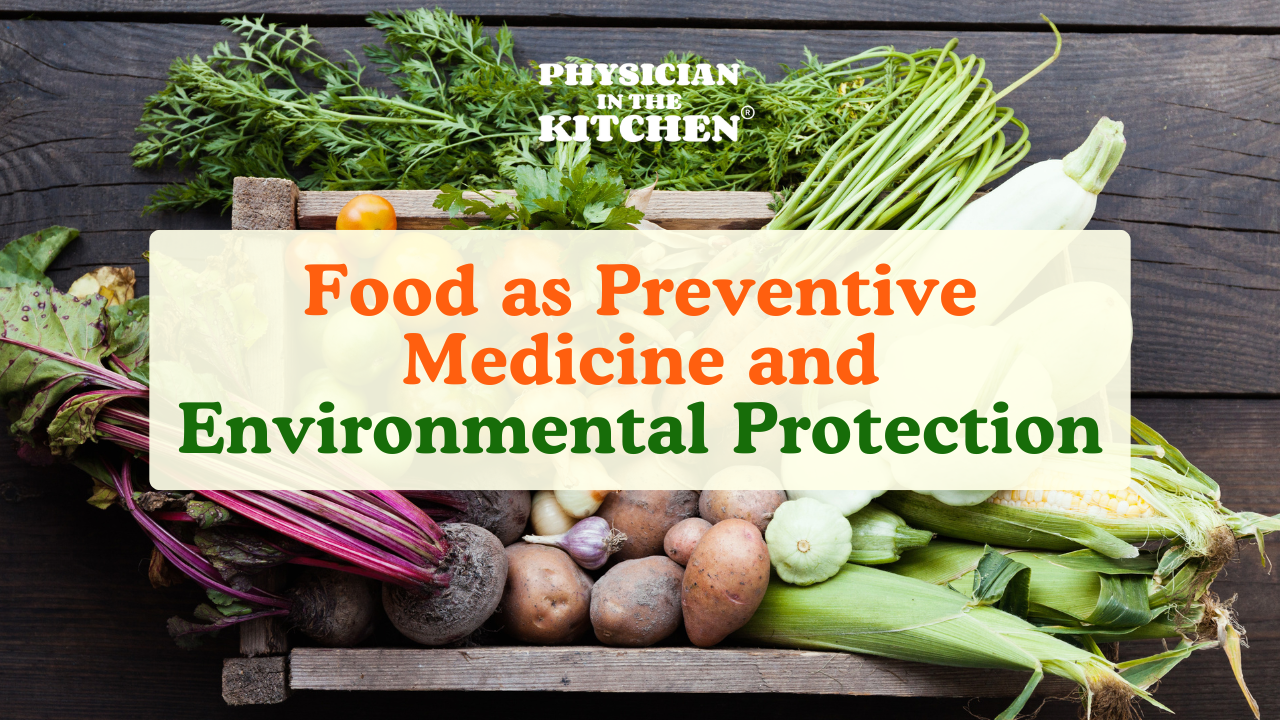
A growing body of research supports what many of us in lifestyle medicine have been saying for years: a diet rich in whole, plant-based foods can help reduce the risk of chronic disease and, in many cases, improve existing conditions.
We’re talking about foods like:
- Beans and lentils
- Fruits and vegetables
- Whole grains
- Nuts and seeds
These foods are naturally high in fiber, antioxidants, and essential nutrients that support heart health, metabolic function, and overall well-being.
In my own journey, transitioning to a more plant-based lifestyle after the age of 50 was a turning point. It wasn’t about restriction—it was about discovery. I found new ways to enjoy food that felt nourishing, energizing, and sustainable.
And I’ve seen the same transformation happen with my clients and community.
More energy.
Better lab results.
A renewed sense of control over their health.
The Overlooked Connection: Diet and the Environment
Here’s where the conversation expands.
The way we eat doesn’t just affect our bodies, it also affects the world around us.
Our global food system is a major contributor to greenhouse gas emissions, water usage, and land degradation. And not all foods have the same environmental impact.
Animal-based foods, particularly red and processed meats, tend to require more resources to produce. In contrast, plant-based foods generally have a lower environmental footprint.
This means that when we choose more plant-forward meals, we’re not only making a decision for our personal health, we’re also making a decision that can reduce environmental strain.
It’s a powerful connection that often goes overlooked.
A Win-Win Strategy for People and the Planet
In healthcare, we often talk about interventions… medications, procedures, treatments.
But what if one of the most effective interventions is something we engage in multiple times a day?
Eating.
A plant-forward dietary pattern offers a unique advantage: it addresses two of the most pressing challenges of our time simultaneously:
- The rise of chronic disease
- The need for environmental sustainability
This is what I call a win-win strategy.
You don’t have to choose between taking care of your health and caring for the planet. The same choices can support both.
And perhaps most importantly, this approach is accessible.
You don’t need a prescription.
You don’t need a complicated plan.
You don’t need perfection.
Small Shifts, Meaningful Impact
One of the biggest misconceptions I hear is that you have to completely overhaul your diet to make a difference.
That’s simply not true.
Sustainable change happens with small, consistent steps.
It might look like:
- Adding one plant-based meal to your day
- Swapping meat for beans or lentils a few times a week
- Exploring new plant-based versions of your favorite comfort foods
These changes may seem simple, but they add up—both for your health and for the environment.
And they’re often more approachable, enjoyable, and sustainable in the long run.
The Role of the Kitchen in Public Health
This is where my work as the Physician in the Kitchen® comes in.
I believe the kitchen is one of the most powerful, yet underutilized, spaces for improving public health.
It’s where knowledge becomes action.
Where intention becomes habit.
Where healing can begin.
Through meal planning, cooking education, and culinary therapy, I help people bridge the gap between knowing what to do and actually doing it.
Because information alone isn’t enough.
People need practical, realistic ways to integrate healthier choices into their everyday lives.
A New Way Forward
As we continue to navigate conversations around healthcare, sustainability, and quality of life, it’s clear that we need more integrated solutions.
Food is one of them.
When we begin to see our meals not just as something to get through the day, but as an opportunity to nourish our bodies and protect our environment, we shift from reactive living to intentional living.
And that shift can be powerful.
Final Thoughts
The idea that food can serve as both preventive medicine and environmental protection isn’t just a concept, it’s a call to action.
Because every plate is an opportunity.
An opportunity to support your health.
An opportunity to contribute to a healthier planet.
An opportunity to be part of the solution.