Irregular periods, acne, unwanted hair growth, difficulty becoming pregnant, or problems with blood sugar can sometimes have something in common: polycystic ovary syndrome, or PCOS.
PCOS is a common hormonal and metabolic condition that affects many women during their reproductive years. But despite its name, PCOS is about much more than the ovaries. It can affect menstrual health, fertility, metabolism, cardiovascular health, sleep, and mental well-being.
There is also an important terminology update. In 2026, an international consensus process renamed PCOS Polyendocrine Metabolic Ovarian Syndrome (PMOS) to better reflect its whole-body effects. During the transition, you may see both PCOS and PMOS used.
For PCOS Awareness Month, let’s take a closer look at what PCOS is, why metabolic health matters, and how a nutrient-dense, plant-forward eating pattern can become part of your approach to managing it.
Table of Contents
What Is PCOS?
PCOS is a complex hormonal and metabolic condition that can influence ovulation and androgen levels while also affecting overall metabolic health.
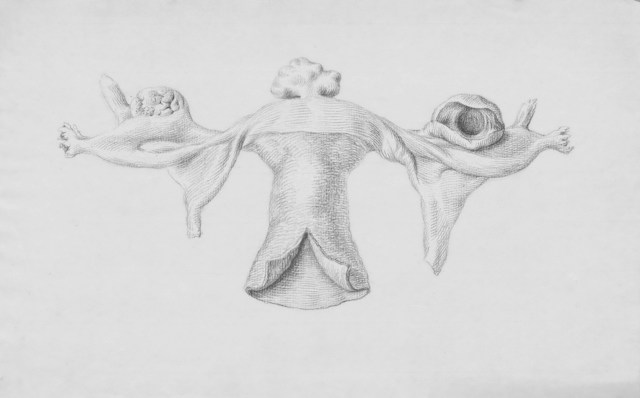
Despite the name, PCOS does not simply mean that you have ovarian “cysts.” Some women with PCOS have a polycystic appearance of the ovaries on ultrasound, while others do not.
In adults, diagnosis generally involves at least two of three features after other causes have been excluded:
- Signs of increased androgen activity, such as excess facial or body hair, acne, or higher-than-normal androgen levels
- Polycystic ovarian morphology, which may be identified through an ultrasound or, when appropriate, an elevated anti-Müllerian hormone (AMH) level
PCOS Can Look Different From Woman to Woman
Not every woman with PCOS experiences the same symptoms or health concerns. The condition can affect women differently, which is why treatment and management should be individualized.
Common Signs and Symptoms of PCOS
PCOS can look different from one woman to another.
Menstrual changes
Periods may be:
- Irregular
- Infrequent
- Absent for extended periods
- Unpredictable
Long gaps between periods should be evaluated rather than automatically attributed to PCOS.
Increased androgen activity
Higher androgen activity can contribute to:
- Excess facial or body hair
- Acne
- Oily skin
- Scalp hair thinning or hair loss
Fertility challenges
PCOS can interfere with regular ovulation, making pregnancy more difficult for some women.
However, PCOS does not mean infertility. Many women with PCOS become pregnant, with or without fertility treatment.
Metabolic concerns
Some women with PCOS also have:
- Insulin resistance
- Prediabetes or type 2 diabetes
- Abnormal cholesterol or triglycerides
- High blood pressure
These problems are not present in every woman, which is why individual assessment is important.
PCOS and Insulin Resistance
One of the key metabolic factors associated with PCOS is insulin resistance.
Insulin helps glucose move from the bloodstream into cells, where it can be used for energy. When the body’s cells become less responsive to insulin, the pancreas may produce more insulin to help maintain healthy blood glucose levels.
Insulin resistance is common among women with PCOS, but it does not explain every aspect of the condition. PCOS involves a combination of hormonal, reproductive, and metabolic factors that can vary from one woman to another.
PCOS and Long-Term Health
PCOS is not only about reproductive health. Over time, women with PCOS have increased risks of several cardiometabolic conditions, including:
- Prediabetes and type 2 diabetes
- High blood pressure
- Abnormal cholesterol levels
- Metabolic syndrome
- Cardiovascular disease
PCOS is also associated with a higher prevalence of obstructive sleep apnea and mental health conditions such as depression and anxiety.
It does not mean that every woman with PCOS will have these conditions.
It means that prevention and early detection matter.
Depending on your individual risk factors, your healthcare professional may monitor blood pressure, cholesterol, and glucose status as part of your ongoing care.
Lifestyle Habits That Support PCOS Management
Lifestyle management is an important part of PCOS care, but there is no one-size-fits-all formula.
Stay physically active
Regular physical activity can support insulin sensitivity, cardiovascular health, fitness, and mood.
Choose activities you can maintain, including:
- Walking
- Strength training
- Cycling
- Swimming
- Dancing
- Yoga
- Other aerobic or resistance activities
You don’t need an extreme exercise routine. Consistency is more important.
Prioritize sleep
Adequate sleep supports metabolic health, mood, energy, and overall well-being.
If you regularly snore, wake unrefreshed, or experience excessive daytime sleepiness, talk with your healthcare professional about possible sleep apnea.
Manage stress
Stress can affect sleep, mood, eating patterns, and quality of life.
Walking, mindfulness, breathing exercises, yoga, time with loved ones, and other enjoyable activities can be useful parts of a sustainable routine.
Take a health-focused approach to weight
PCOS can occur at different body sizes. Health should not be reduced to a number on the scale.
Creating a healthy lifestyle will eventually provide benefits even when weight does not change.
Plant-Based Connection: Eating for PCOS and Metabolic Health
Nutrition is one area where you can make meaningful everyday choices—but there is no single “PCOS diet.”
Current international guidance does not identify one specific diet as superior for every woman with PCOS. Your eating pattern should reflect your health needs, preferences, culture, lifestyle, and medical care.
For many women, a nutrient-dense, plant-forward eating pattern can be a practical way to support metabolic and cardiovascular health.
Build meals primarily around:
- Vegetables — leafy greens, broccoli, cauliflower, peppers, tomatoes, mushrooms, carrots, squash, and other colorful vegetables
- Beans and lentils — including chickpeas, black beans, kidney beans, peas, and other legumes
- Whole grains — oats, barley, brown rice, quinoa, and other minimally processed grains
- Fruits — berries, apples, oranges, pears, bananas, and other whole fruits
- Nuts and seeds — walnuts, almonds, chia, flax, pumpkin, and sunflower seeds
- Soy foods — tofu, tempeh, and edamame
- Other minimally processed plant foods — including herbs, spices, and a variety of plant-based ingredients
Why fiber deserves attention
Many of these foods are naturally rich in dietary fiber.
Fiber can help support:
- Satiety: helping you feel satisfied after meals
- Digestive health: supporting normal bowel function and a healthy gut environment
- Blood glucose regulation: helping create a more gradual rise in blood glucose when fiber-rich carbohydrate foods replace highly refined choices
- Heart health: as part of an overall healthy dietary pattern
This is one reason beans, lentils, vegetables, whole grains, fruits, nuts, and seeds can be valuable foundations for meals.
Think beyond individual “PCOS foods”
There is no miracle food for PCOS.
Rather than searching for one ingredient that will “balance your hormones,” focus on dietary variety.
Plants contain many different nutrients and phytochemicals, including polyphenols, flavonoids, carotenoids, and other biologically active compounds. Eating a variety of plant foods gives you a broader range of these compounds.
The goal is not to create a perfect plate every time.
It is to make nutritious plant foods a regular part of your overall eating pattern.
How to Build a PCOS-Friendly Plant-Forward Meal
A simple meal-building approach can make healthy eating easier.
Start with plants
Fill a substantial portion of your meal with vegetables and other plant foods.
Add plant protein
Include beans, lentils, tofu, tempeh, edamame, or another protein source that fits your preferences.
Choose a high-fiber carbohydrate
Try oats, barley, brown rice, quinoa, or another whole grain.
Add healthy fats
Nuts, seeds, avocado, and other plant foods can provide unsaturated fats and additional nutrients.
Keep it practical
For example:
Breakfast: Oatmeal with berries, ground flaxseed, walnuts, and unsweetened soy milk
Lunch: Lentil and vegetable bowl with brown rice, leafy greens, and avocado
Dinner: Tofu and vegetable stir-fry with barley or brown rice
Snack: Fresh fruit with nuts or seeds
These are not “PCOS prescriptions.” They are examples of how to build balanced, fiber-rich meals using minimally processed plant foods.
And remember: you don’t have to become completely plant-based overnight. Increasing the amount and variety of nutrient-dense plant foods in your diet can be a realistic place to start.
For readers who want to explore plant-based ingredients, cooking, and recipes in more depth, PhysicianInTheKitchen.net offers additional food-focused resources.
Looking for More Plant-Based Guidance?
If you’re interested in learning more about building a healthy plant-based lifestyle, visit PhysicianInTheKitchen.net for practical guidance on plant-based nutrition, wholesome ingredients, and ways to make nutritious meals part of your everyday routine.
When to Talk With Your Doctor
Talk with your healthcare professional if you experience:
- Persistently irregular or absent periods
- New or worsening facial or body hair
- Persistent acne or scalp hair thinning
- Difficulty becoming pregnant
- Concerns about blood sugar
- High blood pressure or abnormal cholesterol
- Significant snoring or daytime sleepiness
- Symptoms of depression or anxiety
If you’ve already been diagnosed with PCOS, ask about appropriate monitoring of your glucose, cholesterol, blood pressure, menstrual health, reproductive health, and other individual risk factors.
If you’re considering pregnancy, discuss preconception care with your healthcare professional.
Doctor’s Orders
PCOS is more than a reproductive health condition—it can affect your metabolic and long-term health. If you have symptoms of PCOS or have been diagnosed with it, work with your healthcare professional to create a comprehensive plan that addresses your individual needs.
From a nutrition perspective, I encourage women with PCOS to focus less on restrictive diets and more on the quality of their overall eating pattern.
Fill your plate with colorful vegetables. Eat beans and lentils regularly. Choose whole grains. Enjoy whole fruits. Include nuts, seeds, and soy foods. And give yourself room for flexibility.
A plant-forward eating pattern is not a cure for PCOS, but it can be one practical tool for supporting metabolic and cardiovascular health alongside physical activity, sleep, stress management, preventive care, and appropriate medical treatment.
PCOS can affect your hormones, periods, fertility, metabolism, and long-term health. Understanding those connections is an important first step.
You don’t need a miracle food or an extreme diet.
Instead, build a sustainable eating pattern around a wide variety of nutrient-dense plant foods, stay physically active, prioritize sleep, manage stress, and work with your healthcare professional to address your individual needs.
Small, consistent choices can become powerful tools for supporting your health with PCOS.
This article is for educational purposes only and is not a substitute for personalized medical advice, diagnosis, or treatment. If you have questions about PCOS, medications, fertility, menstrual cycles, nutrition, or your individual health risks, talk with your healthcare professional.