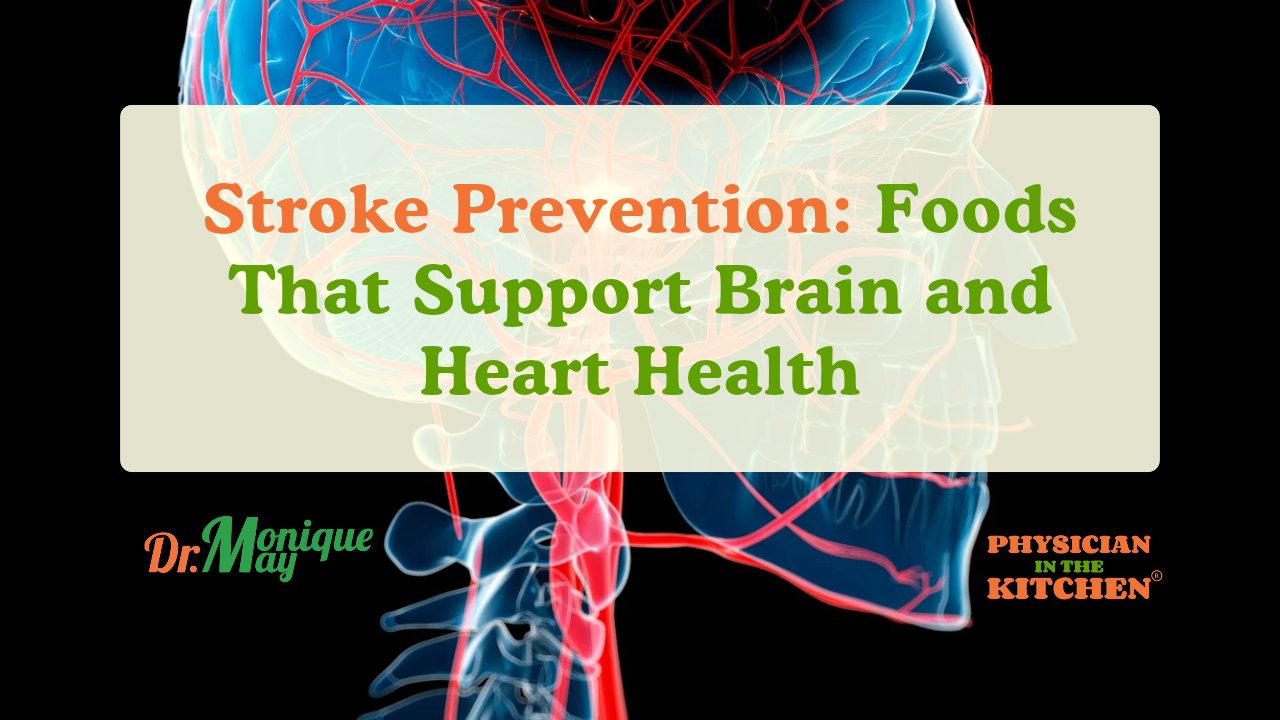
Could the foods on your plate influence your risk of having a stroke? Absolutely. Diet and stroke prevention are closely connected because what you eat regularly can affect your blood pressure, cholesterol, blood sugar, and the health of your blood vessels—all important factors in reducing stroke risk. While no single food can prevent a stroke, certain eating patterns may help support cardiovascular health and protect your brain over time.
While no single food can prevent a stroke, research suggests that certain eating patterns may help lower cardiovascular risk and support long-term brain health. The good news is that small, consistent changes in your diet and lifestyle can make a difference.
In recognition of World Stroke Day on October 29, let’s explore how to build an eating pattern that supports your heart, brain, and blood vessels.
Table of Contents
How Does Your Diet Affect Your Stroke Risk?
A stroke occurs when blood flow to part of the brain is blocked or when a blood vessel ruptures. Several conditions can increase the likelihood of this happening, including high blood pressure, high cholesterol, diabetes, and atherosclerosis (plaque buildup inside the arteries).
Your diet can influence many of these risk factors.
For example:
- Too much sodium can contribute to high blood pressure.
- Excess saturated fat can contribute to unhealthy cholesterol levels.
- Diets high in added sugars and refined carbohydrates can make blood sugar management more difficult.
- A lack of fiber-rich foods can make it harder to maintain healthy cholesterol and metabolic health.
The goal isn’t to follow a restrictive diet. It’s to develop a sustainable eating pattern that supports healthy blood vessels over time.
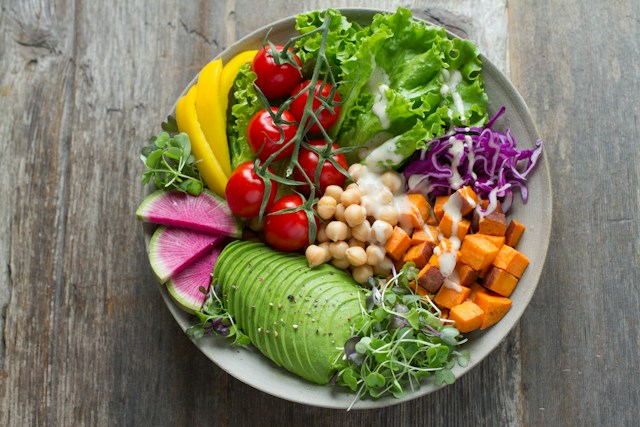
5 Food Groups for Diet and Stroke Prevention
Rather than focusing on individual superfoods, think about the overall quality and variety of foods you eat.
1. Vegetables and Fruits
Vegetables and fruits provide fiber, potassium, vitamins, minerals, and phytochemicals that support cardiovascular health.
Potassium helps counterbalance some of sodium’s effects on blood pressure. Fiber also supports healthy cholesterol and blood sugar levels.
Try including:
- Leafy greens such as spinach, kale, and bok choy.
- Cruciferous vegetables such as broccoli and cabbage.
- Berries, oranges, and apples.
- Tomatoes, carrots, and sweet potatoes.
Aim for a variety of colors throughout the week.
2. Beans and Legumes
Beans, lentils, chickpeas, and peas are excellent sources of plant protein and dietary fiber.
Their soluble fiber can help lower LDL (bad) cholesterol, while their nutrient content makes them a valuable part of a heart-healthy eating pattern.
Add beans to soups, salads, vegetable dishes, or grain bowls. They are affordable, versatile, and easy to incorporate into everyday meals.
3. Whole Grains
Choose whole grains more often than refined grains. Unlike refined grains, whole grains retain their bran and germ, providing more fiber and nutrients.
Good options include:
- Oats
- Brown rice
- Quinoa
- Barley
- Whole-wheat bread
Fiber-rich whole grains can help support healthy cholesterol, blood sugar regulation, and digestive health.
4. Nuts and Seeds
Walnuts, almonds, flaxseeds, chia seeds, and pumpkin seeds provide unsaturated fats, fiber, and other beneficial nutrients.
Replacing foods high in saturated fat with sources of unsaturated fats can support healthier cholesterol levels.
A small handful of unsalted nuts or a tablespoon of seeds can be an easy addition to breakfast, salads, or snacks.
5. Healthy Sources of Fat
Not all fats are the same. Replacing saturated fats with unsaturated fats can support cardiovascular health.
Choose sources such as olive oil, avocado, nuts, and seeds more often. Limit frequent consumption of foods high in saturated fat, particularly fatty and processed meats, butter, and certain highly processed foods.
What Foods Should You Limit?
Just as important as what you add to your diet is what you reduce.
Consider limiting:
- High-sodium foods: Processed meats, instant noodles, salty snacks, canned soups, and heavily salted sauces.
- Highly processed foods: Packaged meals and snacks that are often high in sodium, added sugars, or unhealthy fats.
- Sugary drinks: Sodas, sweetened juices, and other beverages with added sugar.
- Foods high in saturated fat: Fatty meats, processed meats, and foods made with large amounts of butter or other sources of saturated fat.
You don’t need to eliminate every favorite food. Focus on making healthier choices most of the time.
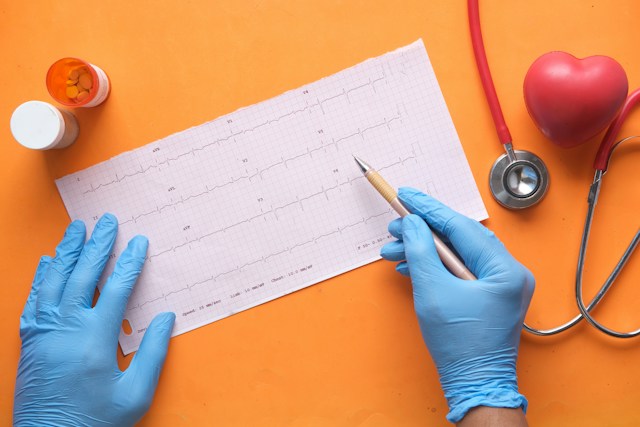
Beyond Food: 4 Habits That Help Protect Against Stroke
A healthy diet is important, but it works best alongside other preventive habits.
1. Stay physically active. Aim for at least 150 minutes of moderate-intensity physical activity each week, such as brisk walking, swimming, or cycling, if appropriate for your health.
2. Maintain a healthy blood pressure. High blood pressure is one of the most important modifiable stroke risk factors. Monitor your numbers and follow your healthcare professional’s recommendations.
3. Avoid smoking and tobacco. Smoking damages blood vessels and increases the risk of blood clots. Quitting can improve cardiovascular health.
4. Prioritize sleep and regular checkups. Address sleep problems, manage conditions such as diabetes and high cholesterol, and keep up with preventive healthcare appointments.
If you have atrial fibrillation (AFib), work with your doctor to manage your heart rhythm and determine whether medication is needed to reduce your risk of blood clots.
What Does a Heart-Healthy Plate Look Like?
One practical approach is to build meals around whole or minimally processed plant foods.
Try this simple guideline:
- Half your plate: Vegetables and fruits.
- One-quarter: Whole grains such as brown rice or quinoa.
- One-quarter: Plant protein such as beans, lentils, or tofu.
- Add a small portion of healthy fats from nuts, seeds, avocado, or olive oil.
This approach shares many principles with the Mediterranean and DASH eating patterns, both of which emphasize foods that support cardiovascular health.
Remember, the goal is consistency, not perfection.
Know the Warning Signs of a Stroke
Even with healthy habits, strokes can still happen. Knowing the warning signs is essential.
Remember B.E. F.A.S.T.:
- B – Balance: Sudden dizziness or loss of balance.
- E – Eyes: Sudden vision changes.
- F – Face: One side of the face droops.
- A – Arms: Sudden weakness or numbness in an arm.
- S – Speech: Slurred speech or difficulty speaking.
- T – Time: Call emergency services immediately.
Do not wait for symptoms to disappear. Even temporary symptoms may indicate a transient ischemic attack (TIA), which requires urgent medical evaluation.
Doctors’ Orders: Feed Your Heart, Protect Your Brain
Stroke prevention doesn’t begin in a hospital. It begins with the everyday decisions we make about our health.
Eating more vegetables, fruits, beans, whole grains, nuts, and seeds while reducing excess sodium and highly processed foods can support healthy blood pressure, cholesterol, and blood sugar levels.
But remember, nutrition is only one part of the picture. Regular exercise, avoiding tobacco, managing chronic conditions, and taking prescribed medications are equally important.
This World Stroke Day, take a closer look at your plate and your lifestyle. Small, consistent choices today can help support healthier blood vessels and a healthier brain for years to come.
This article is for educational purposes only and is not a substitute for personalized medical advice, diagnosis, or treatment. Talk with your healthcare professional about your individual stroke risk and prevention plan.