

Turning 40 often changes the way we think about health. Instead of waiting for symptoms to appear, it becomes increasingly important to pay attention to prevention, screening, and the health habits that can influence how we age.
For men, prostate health after 40 deserves a place in that conversation.
The prostate is a small gland, but changes in the prostate can affect urination, sexual health, quality of life, and—in some cases—cancer risk.
September is recognized as Prostate Health Month, making it a good time to move the conversation beyond “prostate problems” and focus on something more important: knowing your risk, recognizing changes, and talking with your healthcare professional about appropriate screening.
Table of Contents
What Is the Prostate?
The prostate is a small gland located below the bladder and in front of the rectum. It surrounds part of the urethra, the tube that carries urine out of the body.
Its primary function is related to reproduction. The prostate produces fluid that helps nourish and transport sperm.
As men get older, the prostate commonly changes in size. Those changes are not necessarily cancerous, but they can cause urinary symptoms.
That is why understanding the difference between normal age-related prostate changes, benign prostate conditions, and prostate cancer is so important.
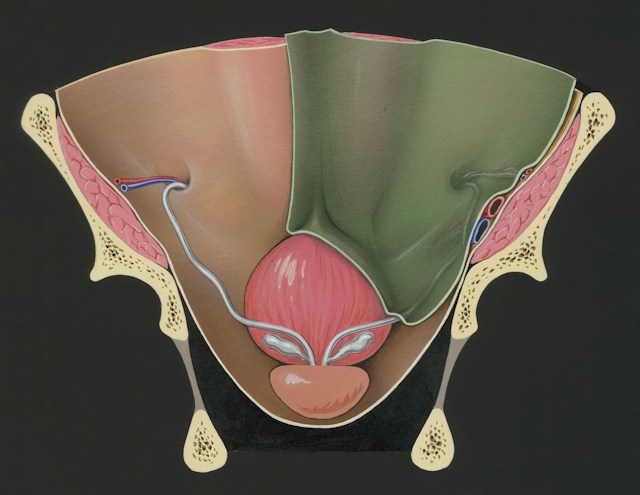
Common Prostate Problems
Several conditions can affect the prostate.
Benign Prostatic Hyperplasia (BPH)
BPH is an enlargement of the prostate that is not cancer.
As the prostate enlarges, it can press against the urethra and interfere with urine flow. Symptoms may include:
- Frequent urination
- Getting up several times at night to urinate
- Difficulty starting urination
- A weak or interrupted urine stream
- Feeling that the bladder has not completely emptied
- Urgency to urinate
BPH becomes more common with age.
Prostatitis
Prostatitis refers to inflammation of the prostate. Some forms are associated with infection, while others are not.
Symptoms can include pelvic discomfort, painful urination, urinary frequency, or pain with ejaculation.
Prostate Cancer
Prostate cancer occurs when abnormal cells in the prostate grow uncontrollably.
Importantly, early prostate cancer often causes no symptoms, which is one reason conversations about screening matter.
BPH vs. Prostate Cancer: What’s the Difference?
One of the most common misconceptions is that an enlarged prostate means prostate cancer.
It doesn’t.
BPH is benign, meaning it is not cancer. In fact, BPH and prostatitis can increase PSA levels even when prostate cancer is not present.
Prostate cancer and BPH can also cause similar urinary symptoms or prostate cancer may cause no symptoms at all.
So, urinary symptoms alone cannot tell you whether a prostate problem is benign or cancerous.
That is why persistent or unusual changes should be evaluated rather than simply attributed to getting older.
Prostate Cancer Risk Factors
Age is one of the strongest risk factors for prostate cancer. The risk increases as men get older.
Other important risk factors include:
- Family history: Having a father, brother, or son with prostate cancer increases risk.
- Genetics: Certain inherited gene changes, including BRCA1 and particularly BRCA2, can increase risk.
- Race and ancestry: Prostate cancer occurs more often in Black men (i.e, men of African ancestry).
- Age at diagnosis in relatives: Having a close relative diagnosed at a younger age can be particularly important when assessing risk.
Having a risk factor does not mean you will develop prostate cancer. But knowing your risk can help you and your healthcare professional make better decisions about screening.
Symptoms Men Shouldn’t Ignore
Early prostate cancer may have no symptoms, but prostate and urinary changes should still be taken seriously.
Talk with your healthcare professional if you experience:
- Difficulty starting urination
- A weak or interrupted urine stream
- Frequent or urgent urination
- Increased nighttime urination
- Pain or burning with urination
- Blood in the urine or semen
- Persistent pain in the back, hips, or pelvis
- Painful ejaculation
- New or persistent sexual or reproductive symptoms
These symptoms do not automatically mean cancer. They can occur with several benign conditions as well.
The important point is don’t assume a persistent change is simply part of aging.
Understanding PSA Testing and Screening
You may have heard of the PSA test, but what exactly does it measure?
PSA stands for prostate-specific antigen, a protein produced by prostate cells. A blood test measures the amount of PSA in your blood.
An elevated PSA can occur with prostate cancer, but it can also occur with BPH, prostatitis, and other conditions. That means an elevated PSA does not automatically mean cancer.
So, should every man have a PSA test?
Not necessarily.
There is no one-size-fits-all approach to prostate cancer screening. Different organizations have somewhat different recommendations, but they generally emphasize informed, individualized decision-making.
For example, the American Cancer Society recommends discussing screening around:
- Age 50 for men at average risk who are expected to live at least 10 more years
- Age 45 for men at higher risk, including Black men and men with a father or brother diagnosed with prostate cancer before age 65
- Age 40 for men at particularly high risk, such as those with more than one first-degree relative diagnosed at an early age or certain inherited genetic risks
The U.S. Preventive Services Task Force recommends that men 55 to 69 make an individual decision about PSA-based screening after discussing the potential benefits and harms with their clinician, and recommends against routine PSA screening for men 70 and older.
The takeaway?
Don’t wait for a magic age or assume you automatically need (or don’t need) a PSA test. Know your risk and have a conversation with your healthcare professional.
Screening can have benefits, but it can also lead to false-positive results, additional testing, biopsies, overdiagnosis, and treatment-related complications.
Plant-Based Connection: Supporting Overall Men’s Health Through Nutrition
There is no single food that can guarantee protection against prostate cancer and no dietary pattern should be promoted as a substitute for screening or medical care.
However, the foods you eat regularly can play an important role in your overall health and healthy aging.
A predominantly plant-based dietary pattern can include:
- Vegetables
- Fruits
- Beans and other legumes
- Whole grains
- Nuts and seeds
- Herbs and spices
Think of variety rather than a search for one “prostate superfood.”
For example, tomatoes provide carotenoids such as lycopene, while cruciferous vegetables, leafy greens, beans, whole grains, nuts, and seeds provide a variety of nutrients and phytochemicals.
The bigger picture matters. A dietary pattern rich in minimally processed plant foods can support cardiovascular and metabolic health, which are important parts of long-term men’s health.
And remember: healthy eating is one piece of prevention. It does not replace appropriate prostate cancer screening, evaluation of symptoms, or recommended medical care.
If you want to explore the nutrition side of a plant-based lifestyle in more depth, visit PhysicianInTheKitchen.net, where I share more about plant-based nutrition, ingredients, and practical ways to make healthy eating enjoyable.
When Should You Talk With Your Doctor?
Don’t wait for your next annual physical if you develop concerning symptoms.
You should also have a conversation about prostate health if you:
- Are approaching or over age 40
- Have a family history of prostate cancer
- Have multiple relatives with prostate cancer
- Have a relative who was diagnosed at a younger age
- Know that you carry an inherited cancer-associated gene variant
- Are Black (or have African ancestry)
- Have new or persistent urinary symptoms
- Have questions about whether PSA screening is appropriate for you
Your healthcare professional can help determine whether screening makes sense based on your age, family history, ancestry, overall health, life expectancy, and personal preferences.
Doctor’s Orders
Know your prostate cancer risk and don’t ignore changes in your urinary or reproductive health. Talk with your healthcare professional about whether prostate cancer screening is appropriate for you based on your age, family history, and individual risk factors.
Practical Takeaways
If you’re over 40, here are a few simple steps to put prostate health on your preventive-care checklist:
1. Know your family history.
Ask whether your father, brothers, or other close relatives have had prostate cancer.
2. Know your risk.
Age, family history, ancestry, and inherited genetic factors can influence your risk.
3. Don’t ignore symptoms.
Changes in urination, blood in the urine or semen, pelvic discomfort, or other persistent symptoms deserve medical attention.
4. Have an informed screening conversation.
PSA screening isn’t automatically right—or wrong—for every man. Discuss the potential benefits and harms with your healthcare professional.
5. Build healthy habits.
Prioritize regular physical activity, adequate sleep, not smoking, and a nutritious dietary pattern rich in whole or minimally processed plant foods.
6. Think beyond the prostate.
Your cardiovascular, metabolic, sexual, and overall health are all connected. Prevention works best when you care for the whole person.
A Note From Dr. Monique May
Prostate health isn’t something you should start thinking about only when a problem develops.
After 40, it’s a good time to become more intentional about preventive health—knowing your family history, understanding your risk factors, paying attention to changes in your body, and having informed conversations about screening.
And while no food or lifestyle strategy can guarantee protection from prostate cancer, a healthy overall lifestyle can support the cardiovascular, metabolic, and physical health that helps men age well.
Your prostate is only one part of your health—but taking care of it is part of taking care of the whole you.
This article is for educational purposes only and is not a substitute for personalized medical advice, diagnosis, or treatment. Prostate cancer screening recommendations can vary based on age, risk factors, health status, and personal preferences. Talk with your healthcare professional about what is appropriate for you.