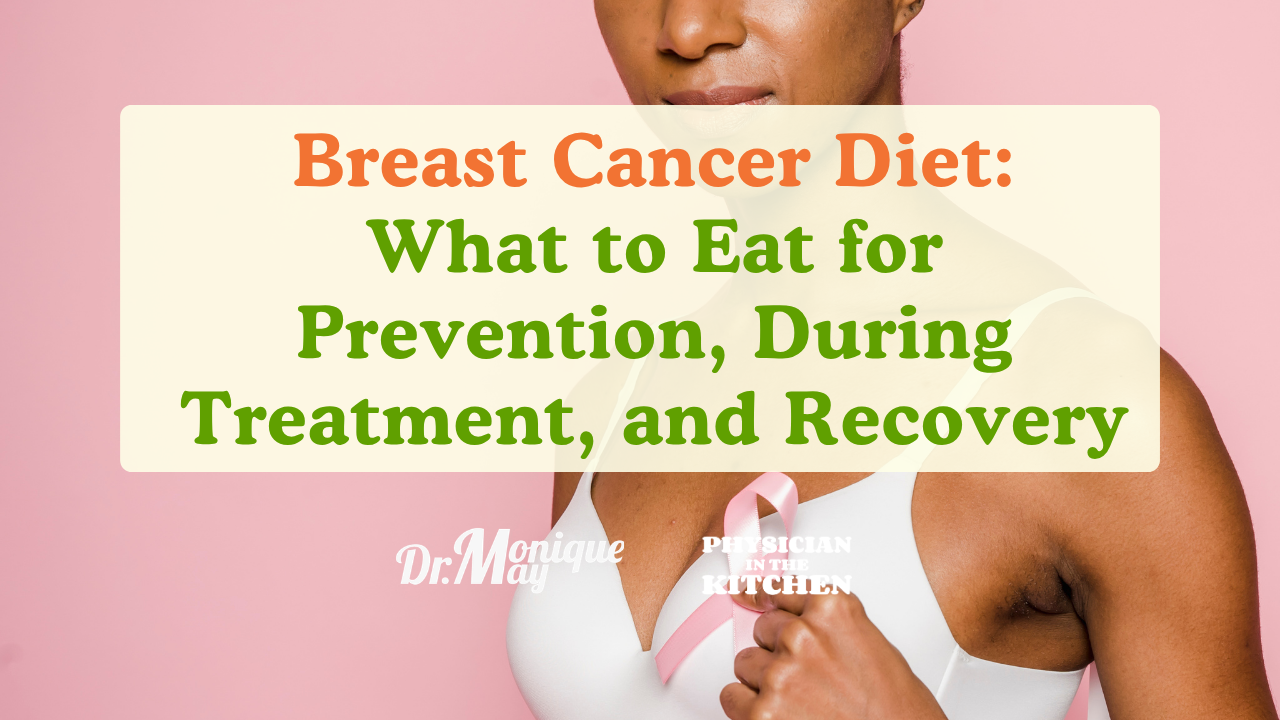
Breast Cancer Awareness Month is an important reminder that understanding breast cancer risk, making informed lifestyle choices, and getting appropriate medical care all matter. One common question is whether diet can help prevent breast cancer—and what to eat after a diagnosis.
The good news is that a balanced, plant-forward eating pattern can support overall health before, during, and after breast cancer treatment. However, no single food or diet can guarantee breast cancer prevention or cure the disease. Nutrition is one part of a broader approach that includes appropriate screening, medical care, physical activity, and other healthy habits.
Table of Contents
Can Diet Help Prevent Breast Cancer?
There is no guaranteed way to prevent breast cancer, but certain lifestyle choices may help reduce risk. Keeping a healthy weight, engaging in regular physical activity, and reducing alcohol intake may help lower the risk of breast cancer.
Diet also plays a role in overall health. Eating a variety of vegetables, fruits, whole grains, beans, and other minimally processed plant foods can help support a healthy weight and metabolic health. Scientists continue to study the relationship between dietary patterns and breast cancer risk, but no specific diet can guarantee that breast cancer will be prevented.
Family history, inherited genetic variants, age, reproductive factors, and other influences also affect risk. Healthy eating should complement—not replace—recommended breast cancer screening and individualized medical advice.
What Does a Breast Cancer Prevention Diet Look Like?
Rather than following a restrictive diet or searching for a miracle food, focus on a sustainable eating pattern built around whole and minimally processed foods.
A breast cancer-friendly eating pattern emphasizes:
- Vegetables and fruits of different colors.
- Whole grains, such as oats, brown rice, and whole-wheat bread.
- Beans, lentils, and other legumes.
- Nuts and seeds.
- Healthy fat sources, including olive oil and avocado.
- Adequate protein from plant or animal sources, according to your needs.
These foods provide fiber, vitamins, minerals, and phytochemicals—naturally occurring plant compounds that contribute to the body’s normal biological functions. Examples include carotenoids, polyphenols, flavonoids, and glucosinolates.
No individual phytochemical is a proven breast cancer cure. The goal is to enjoy a varied diet that supports long-term health.
Diet for Breast Cancer Patients: What Should You Eat?
After a breast cancer diagnosis, nutrition goals may change. During treatment, the priority is often maintaining strength, supporting recovery, and getting enough calories, protein, fluids, and essential nutrients.
Depending on your treatment and symptoms, helpful choices may include:
- Protein-rich foods: Beans, lentils, tofu, eggs, yogurt, fish, poultry, or other foods that fit your preferences and medical needs.
- Fruits and vegetables: Fresh, frozen, or cooked options, depending on appetite and tolerance.
- Whole grains: Oatmeal, brown rice, and whole-grain bread when tolerated.
- Healthy fats: Nuts, seeds, avocado, and olive oil to help meet energy needs.
- Fluids: Water and other appropriate drinks to maintain hydration.
You do not need to eat perfectly during treatment. If nausea, changes in taste, mouth sores, diarrhea, or fatigue affect your ability to eat, choose foods that are easier to tolerate and consult your healthcare team if symptoms persist.
How Nutrition Needs Can Change During Treatment
Chemotherapy, radiation therapy, surgery, hormone therapy, and other treatments can affect appetite, digestion, taste, weight, and energy levels differently.
For example, someone experiencing nausea may tolerate small, frequent meals better than large portions. A person losing weight unintentionally may need more calorie-dense foods and protein. If mouth sores develop, softer foods may be more comfortable.
Avoid starting a restrictive weight-loss diet during treatment without guidance from your care team. Maintaining adequate nutrition is often more important than following a specific eating plan.
What About Soy and Breast Cancer?
Soy foods, such as tofu, tempeh, edamame, and unsweetened soy milk, contain protein and naturally occurring compounds called isoflavones.
Current evidence generally supports the safety of eating moderate amounts of traditional soy foods as part of a balanced diet for most people, including many breast cancer survivors. Research has not shown that ordinary soy food consumption increases breast cancer risk, and some observational studies suggest potential benefits.
Isoflavone supplements differ from whole soy foods and should not be used to prevent or treat breast cancer without guidance from a healthcare professional. If you have questions about soy during treatment, ask your oncologist.
Alcohol and Breast Cancer Risk
Alcohol consumption is associated with an increased risk of breast cancer, and risk generally rises with greater consumption. If you drink alcohol, reducing your intake may help lower risk. Avoiding alcohol is a reasonable option for people who want to minimize alcohol-related cancer risk.
Alcohol is not necessary for good health, and people who do not drink should not start.
Foods to Limit for Better Overall Health
You do not need to eliminate entire food groups to eat well. Instead, focus on your overall dietary pattern and consider limiting:
- Processed meats, like bacon and sausages.
- Frequent consumption of highly processed foods high in added sugar, sodium, or saturated fat.
- Sugary drinks that contribute substantial added sugar.
- Excessive alcohol.
These choices are best understood in the context of overall health, not as foods that directly determine whether someone develops breast cancer. You can also add some treats & deserts that fit into a balanced eating pattern.

Breast Cancer Diet Plan: A Simple Day of Healthy Eating
A practical breast cancer diet plan should be flexible, nutritious, and suited to your individual needs. Here is one example of a plant-forward day for someone who can tolerate these foods:
- Breakfast: Oatmeal with berries, ground flaxseed, and walnuts.
- Lunch: Lentil and vegetable soup with whole-grain bread.
- Snack: Fruit with a handful of nuts or yogurt.
- Dinner: Tofu or fish with brown rice and roasted vegetables.
- Drinks: Water throughout the day.
During treatment, portions and food choices may need to change according to appetite, weight, side effects, and medical recommendations. This sample menu is an illustration, not a treatment prescription or a diet proven to prevent or cure cancer.
What About Supplements and “Cancer-Fighting” Foods?
Be cautious about claims that particular foods, juices, herbs, or supplements can kill cancer cells or replace treatment. Laboratory findings do not necessarily translate into benefits for people.
Some supplements can interact with cancer medications or affect treatment. High doses of certain vitamins, antioxidants, and herbal products may be inappropriate during specific therapies.
Tell your oncology team about every supplement you take or are considering. Never discontinue prescribed treatment or use dietary changes as a substitute for medical care.
Eating Well After Breast Cancer Treatment
After treatment, following a balanced diet can help maintain heart and bone health, sustain energy, and promote healthy aging. These goals are particularly important for people taking hormone therapy or other medications that may affect bone density, cholesterol levels, or body composition.
Continue eating a variety of plant foods, include adequate protein, stay physically active as your care team recommends, and work toward a weight that supports your overall health without extreme dieting.
A healthy lifestyle can support well-being during survivorship, but it cannot guarantee that breast cancer will not return.
A Plant-Based Connection
A plant-forward diet can be a practical way to increase fiber and dietary variety. Build meals around vegetables, fruits, beans, lentils, whole grains, nuts, and seeds, while including other foods as needed to meet your nutritional requirements.
If you want practical guidance on plant-based nutrition, meal preparation, and recipes, visit PhysicianInTheKitchen.net for ideas to make healthy eating easier and more enjoyable.
When to Talk With an Oncology Dietitian
Consider asking your healthcare team for a referral to an oncology dietitian if you are losing weight unintentionally, struggling to eat or drink, experiencing persistent digestive symptoms, or unsure how to meet your nutritional needs during treatment.
Your care team can also help you understand supplements, manage treatment-related side effects, and choose an eating plan appropriate for your diagnosis and medications.
The Bottom Line
There is no single breast cancer diet—and no food can guarantee prevention or cure breast cancer. A varied, plant-forward eating pattern can support overall health, while limiting alcohol, staying active, and following recommended screening guidance can contribute to a broader prevention strategy.
If you have breast cancer, prioritize adequate nutrition and personalized guidance from your healthcare team rather than restrictive diets or unproven cancer-fighting claims. Small, sustainable choices can help you care for your health at every stage.
Medical disclaimer: This article is for educational purposes only and is not a substitute for personalized medical advice, diagnosis, or treatment. Talk with your healthcare professional about your individual risk factors, treatment, medications, and nutritional needs.