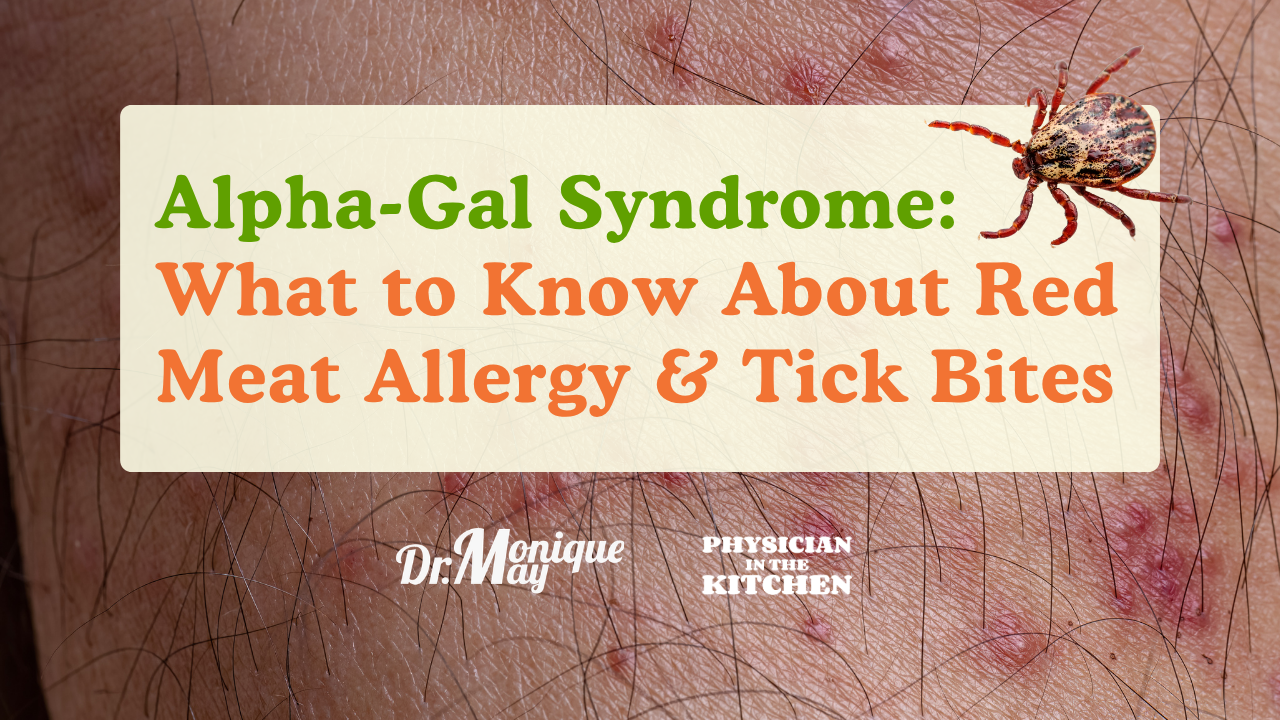
What if a tick bite could make you allergic to red meat?
It sounds unusual, but alpha-gal syndrome (AGS) is a real allergy that can develop after certain tick bites. It can cause reactions to red meat and other products containing a molecule called alpha-gal.
One of the most confusing features of AGS is that symptoms may not appear until several hours after eating. Recognizing this pattern can help people get the right evaluation and learn how to manage the condition safely.
Table of Contents
What Is Alpha-Gal Syndrome?
Alpha-gal syndrome is an allergy to galactose-alpha-1,3-galactose, commonly called alpha-gal. This molecule is found in most mammals but not humans.
Certain tick bites can expose the immune system to alpha-gal and cause sensitization. In the United States, AGS is most commonly associated with the lone star tick, although other tick species have been linked to cases in different regions.
After sensitization, eating mammalian meat or being exposed to certain mammalian-derived products may trigger an allergic reaction.
How Can a Tick Bite Trigger a Meat Allergy?
A tick bite does not immediately make someone allergic to meat.
Instead, the bite can cause the immune system to produce IgE antibodies to alpha-gal. Later exposure to alpha-gal may then trigger an allergic reaction.
Not everyone who is bitten by a tick develops AGS, and symptoms may not appear until weeks or months after the original tick bite.
Why Are AGS Reactions Different?
Most food allergies cause symptoms within minutes to an hour or two. AGS is unusual because reactions typically occur 2–6 hours after exposure.
This delay can make it difficult to identify the food responsible. Someone may eat dinner, go to bed feeling fine, and later develop hives, stomach pain, or other symptoms.
Symptoms of Alpha-Gal Syndrome
Symptoms can range from mild to severe and may include:
- Hives or itching
- Swelling of the lips, face, or throat
- Stomach pain
- Nausea, vomiting, or diarrhea
- Heartburn or indigestion
- Cough, wheezing, or difficulty breathing
- Dizziness or fainting
- Low blood pressure
Severe reactions can cause anaphylaxis, which requires emergency medical attention.
If you have been prescribed epinephrine for an allergic reaction, follow your healthcare professional’s instructions and seek emergency care for a severe reaction.
What Foods and Products May Contain Alpha-Gal?
The most common concern is meat from mammals, including:
- Beef
- Pork
- Lamb
- Venison
- Rabbit and other mammalian game
Some people with AGS may also react to dairy products, gelatin, or foods made with mammalian fats such as lard or tallow. Broths, stocks, bouillon, and gravies may also contain mammalian ingredients.
Certain medications, vaccines, and medical products may contain mammalian-derived ingredients as well.
Importantly, not everyone with AGS reacts to every product containing alpha-gal. Your allergist can help determine which exposures you need to avoid.
Do not stop a medication or skip a recommended vaccine without discussing it with your healthcare professional.
How Is Alpha-Gal Syndrome Diagnosed?
Diagnosis starts with your medical history.
Your healthcare professional may ask about:
- Your symptoms and when they occur
- Foods you ate before a reaction
- Previous tick bites or outdoor exposure
- Your geographic location and activities
A blood test can look for alpha-gal-specific IgE antibodies.
However, a positive test alone does not prove that you have AGS. Test results need to be interpreted together with your symptoms, reaction timing, and exposure history.
An allergist can help determine whether AGS is the likely explanation for your symptoms.
Plant-Based Connection: Building a Safe and Nutritious Eating Pattern
For people diagnosed with AGS, a plant-forward eating pattern can provide many nutritious alternatives to mammalian foods.
Build meals around:
- Vegetables
- Fruits
- Beans and lentils
- Whole grains
- Nuts and seeds
- Tofu and other plant-based protein foods
However, plant-based does not automatically mean alpha-gal-safe.
Packaged foods, supplements, medications, and other products may contain mammalian-derived ingredients. Reading labels and asking about unclear ingredients can be important.
If you significantly reduce or eliminate animal foods, also pay attention to protein, iron, vitamin B12, calcium, vitamin D, and other nutrients. A registered dietitian can help you create a nutritionally balanced eating pattern.
For more practical guidance on building nutritious plant-forward meals, readers can explore the resources at PhysicianInTheKitchen.net.
Preventing Tick Bites and Future Exposure
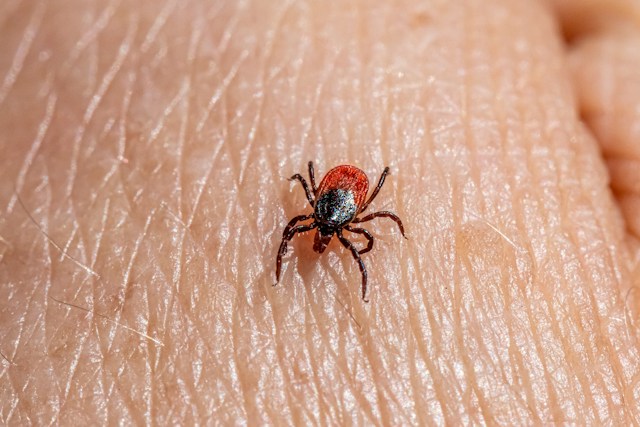
If you have AGS, preventing additional tick bites is especially important. New tick bites may reactivate allergic reactions to alpha-gal.
When spending time outdoors:
- Use an EPA-registered insect repellent.
- Wear appropriate clothing and consider permethrin-treated clothing and gear.
- Avoid areas with heavy brush and tall grass when possible.
- Shower and check your body for ticks after outdoor activities.
- Remove attached ticks promptly.
Tick prevention is one of the most practical ways to reduce future exposure.
When to Talk With Your Doctor or Allergist
Talk with a healthcare professional if you experience unexplained allergic reactions, particularly if they occur several hours after eating red meat or other mammalian products.
An allergist can help evaluate your symptoms, determine whether testing is appropriate, and create an individualized avoidance and emergency plan.
Seek emergency care immediately if you develop difficulty breathing, throat or tongue swelling, fainting, severe dizziness, or other signs of anaphylaxis.
Doctor’s Orders
If you’ve experienced unexplained allergic reactions—especially several hours after eating red meat or other mammalian products—don’t ignore the pattern. Talk with a healthcare professional or allergist about whether Alpha-Gal Syndrome could be a possibility. And if you have been diagnosed with AGS, take tick-bite prevention seriously because another tick bite may affect your sensitivity.
Practical Takeaways
- AGS is an allergy to alpha-gal that can develop after certain tick bites.
- Reactions often occur 2–6 hours after exposure, rather than immediately.
- Beef, pork, lamb, venison, and other mammalian meats are common triggers.
- Some people also react to dairy, gelatin, mammalian fats, or other products.
- A positive alpha-gal blood test does not automatically mean you have AGS.
- Preventing additional tick bites is an important part of management.
- A plant-forward diet can provide nutritious alternatives, but plant-based does not automatically mean alpha-gal-safe.
- Severe allergic symptoms require emergency medical care.
Conclusion
Alpha-gal syndrome can be confusing because the connection between a tick bite and a delayed food allergy is not always obvious.
Learning to recognize the pattern, getting an appropriate medical evaluation, understanding your individual triggers, and preventing future tick bites can make the condition much easier to manage.
With thoughtful food choices and guidance from your healthcare team, you can protect your health while still enjoying a varied, nutritious diet.