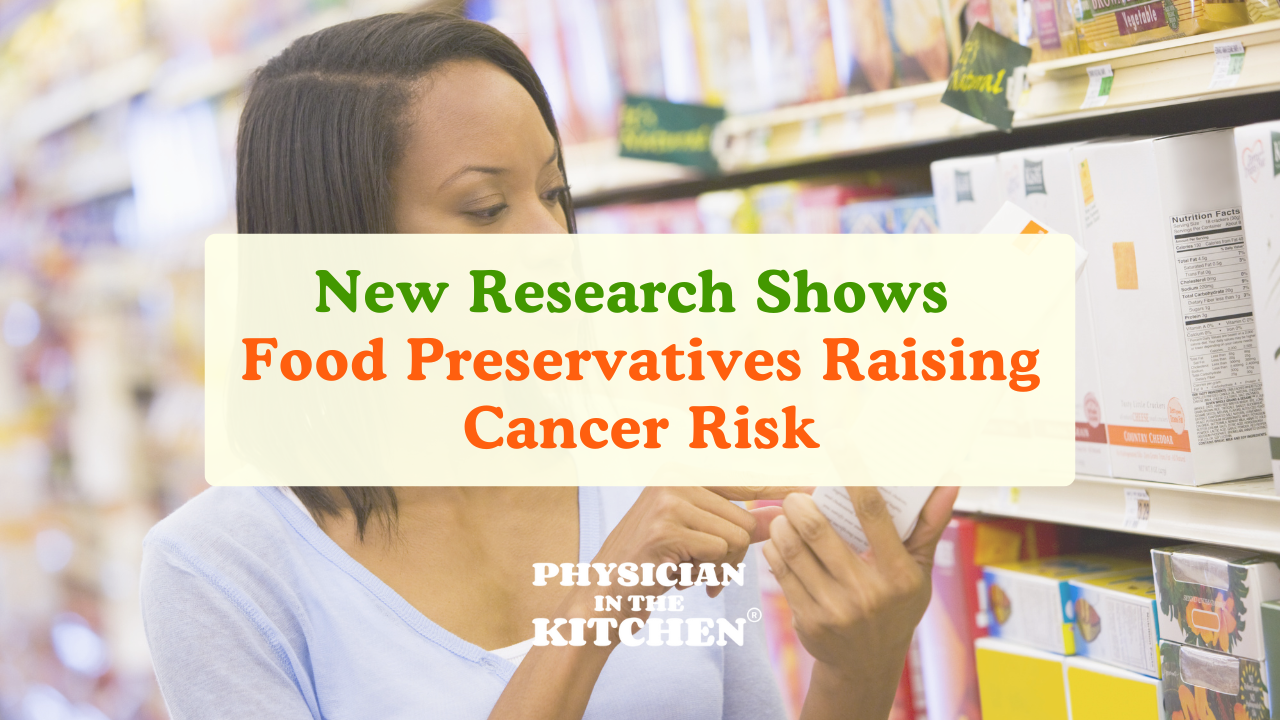
A growing body of research suggests that some of the preservatives used in everyday foods, specially ultra-processed items such as deli meats, bacon, ready-to-eat meals, packaged snacks, and even some cereals, may be linked to a higher risk of developing certain cancers when consumed in larger amounts over time.
This doesn’t mean preservatives cause cancer outright, but it does raise important questions that are relevant for how we plan meals and think about everyday food choices.
What the Latest Studies Found
A large new analysis published in The BMJ looked at data from more than 100,000 adults participating in France’s NutriNet-Santé cohort, one of the biggest long-term diet and health studies ever done.
Here’s what researchers found:
Some preservatives were linked with higher cancer risk
- Potassium sorbate (found in cheeses, processed meats, sauces): linked to ~14%–26% higher risk of cancer, including breast cancer.
- Sulfites (in baked goods, sausages, juices): linked with ~12% higher cancer risk.
- Sodium nitrite (commonly used in bacon, ham, cured meats): associated with a ~32% higher risk of prostate cancer.
- Potassium nitrate (another curing agent): linked with increases in breast and overall cancer risk.
Important to note: Of the 17 preservatives studied, 11 showed no link with cancer, and overall preservative intake was not tied to cancer risk in general at a population level.
Why Scientists Think These Additives Could Matter
Preservatives such as nitrites and nitrates are added to processed meats to prevent spoilage and keep that appealing color, but under certain conditions (especially when cooked at high heat) they can form nitrosamines, compounds shown in lab studies to damage DNA and promote cancerous changes.
This doesn’t prove direct cause and effect in humans, as observational studies can only show associations, but the results are consistent with what earlier research and cancer agencies have flagged for decades.
How Health Agencies View Processed Meats and Preservatives
Even before this study, major health organizations have pointed to a link between processed meats (which often contain preservatives) and cancer.
- The International Agency for Research on Cancer (IARC), part of the World Health Organization, classifies processed meat as a Group 1 carcinogen, meaning there’s strong evidence it can cause cancer in humans.
- Evidence points most strongly to cancers of the bowel and colorectal region, but links to prostate, breast, stomach, and other tumors are also under study
These classifications are based on decades of cumulative evidence, not just one study.
So What Should You Do? Practical Food Swaps and Meal Planning Tips
You don’t have to eliminate every processed food to eat healthier, but here are simple, actionable swaps and strategies to reduce preservative intake, without sacrificing flavor or convenience.
Breakfast Swaps
- Instead of boxed cereals or flavored instant oats (often with preservatives such as BHT/BHA) → try plain oats, whole-grain muesli, or quinoa topped with fresh fruit and nuts. Add cinnamon, cocoa powder, or vanilla yourself.
- Replace processed breakfast meats with scrambled tofu with veggies, whole-grain toast with avocado, or a berry nut smoothie. Make a bacon substitute from tempeh or thinly-sliced carrots.
Lunch Makeovers
- Instead of deli meats such as ham, salami, or bologna → choose chickpeas, lentils, hummus, baked tofu, or mashed white beans for sandwiches and wraps
- Build satisfying meals with crisp greens, crunchy vegetables, whole grains, and fresh herbs so you don’t miss the processed meats at all.
Dinner Ideas
- Swap processed sausages and bacon for tempeh, lentil or bean-based crumbles, marinated tofu, mushrooms, or black beans
- Create flavorful stir-fries, grain bowls, and hearty vegetable dishes served over brown rice, barley, quinoa, or farro which are naturally free of preservatives.
Snack Smart
- Check labels: if an ingredient list contains “sodium nitrite,” “potassium sorbate,” “sulfites,” “BHT/BHA,” skip it.
- Choose whole-food snacks such as fresh fruit, nuts, seeds, hummus with veggies, air-popped popcorn, or plain yogurt with berries.
Meal Planning Tips
✔ Plan meals that center on vegetables, legumes, whole grains, and lean proteins, the more whole foods you include, the less room there is for processed foods.
✔ Cook in batches and freeze portions, so you always have a homemade meal ready when you’re short on time.
✔ Spice up meals with herbs, citrus, garlic, and vinegars instead of relying on packaged seasonings.
The Bottom Line
- A recent large study found that higher consumption of certain preservatives used in processed foods was associated with increased cancer risk for some common cancers.
- This research is observational, meaning it shows correlation, not direct causation, but it aligns with long-standing advice to favor whole, minimally processed foods.
- You can take practical steps today through meal swaps and smarter meal planning that lower preservative intake while boosting overall nutrition.
Eating more fresh, whole foods isn’t just about reducing preservatives, it’s about building meals that nourish your health for the long run.
Putting This Into Practice With Support
Knowing what to avoid is only half the equation. The real challenge is figuring out what to eat instead, especially when time, energy, and taste preferences are real factors.
Through my personalized meal planning service, I help you turn evidence-based nutrition into practical, enjoyable meals that work for your life.
We focus on simple, preservative-conscious swaps, balanced weekly plans, and strategies that make healthy eating feel doable. If you’re ready to take the guesswork out of meal planning and feel confident that your meals are supporting your long-term health, book your free consultation today!