Menopause and the years leading into it (perimenopause) bring powerful changes: to sleep, mood, weight, skin, bones, and of course, hormones. As a physician who now teaches people how to use food as medicine, I’m frequently asked: “What should I actually eat to feel better during this transition?”
Below are the five plant-based food groups we discussed on the Instagram Live with Dr. LaKeischa, why they matter for hormone health, and simple ways to include them in your daily meals.
This is written for people across the spectrum, whether you’re fully plant-based or just want to add more hormone-supporting foods to your plate, this is for you!
Why food matters for menopause
Perimenopause is not just an ovarian event, it’s a systemic shift. Changes in estrogen and testosterone affect:
- Bone density (risk of osteopenia/osteoporosis)
- Body composition and metabolism (tendency to gain central weight)
- Insulin sensitivity and blood sugar regulation
- Vaginal and skin health (dryness, elasticity)
- Inflammation and oxidative stress
Eating targeted, nutrient-dense foods can help mitigate symptom intensity, stabilize blood sugar, protect bone and heart health, and support mood and energy.
The 5 plant-based foods to prioritize and how they help
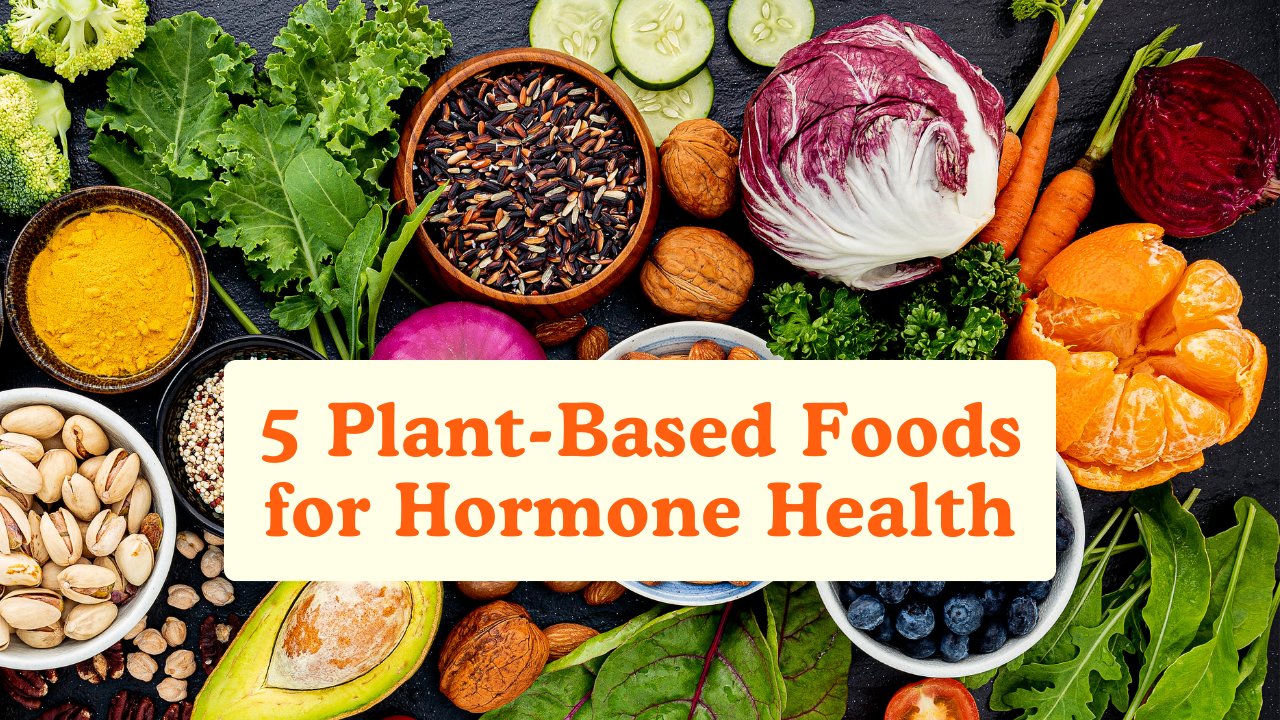
1) Phytoestrogen-rich foods (soy, flax, legumes)
Why: Phytoestrogens (plant estrogens such as isoflavones) can weakly mimic or modulate estrogen activity in the body, which may help reduce hot flashes and vaginal dryness for many women. They also come with fiber and heart-healthy benefits.
Examples: Tofu, tempeh, edamame, miso (fermented soy), flaxseed, chickpeas, lentils.
How to use: Add tofu or tempeh to stir-fries and grain bowls; sprinkle ground flax over oatmeal or yogurt; snack on roasted chickpeas; make edamame pesto or blend miso into sauces.
Notes: All soy is not the same — fermented soy foods (tempeh, miso) have added digestive benefits. If you have a soy allergy or specific medical advice to avoid soy, follow your clinician’s guidance.
2) Leafy greens & cruciferous vegetables
Why: Greens (kale, collards, spinach, bok choy, arugula) and crucifers (broccoli, Brussels sprouts, cauliflower) provide calcium, magnesium and vitamin K for bone health, crucial as estrogen declines. They also supply compounds (like DIM precursors) that support healthy estrogen metabolism.
Examples: Collard greens, kale, bok choy, broccoli, Brussels sprouts.
How to use: Toss a handful of greens into smoothies or soups; sauté collards with garlic and lemon; roast Brussels sprouts for a holiday side. A squeeze of citrus helps with calcium absorption.
3) Healthy fats (omega-3s and monounsaturated fats)
Why: Fats are building blocks for hormones and help with inflammation, brain function, and vaginal lubrication. Omega-3s in particular reduce inflammation and can support mood.
Examples: Avocado, chia and flax seeds, walnuts, extra virgin olive oil, hemp and pumpkin seeds.
How to use: Add avocado to salads and toast; mix chia or ground flax into cereals, smoothies, or puddings; use olive oil for dressings and light sautéing; sprinkle pumpkin seeds on a salad for crunch.
4) Protein-rich plant foods
Why: Adequate protein preserves muscle mass, supports metabolic rate, and helps stabilize blood sugar, all important during perimenopause and after. Plant proteins contain fiber and micronutrients that further support health.
Examples: Lentils, beans, quinoa, tempeh, seitan (if gluten-tolerant), hemp and pumpkin seeds.
How to use: Make lentil soups and stews, quinoa bowls, bean-based salads, or tempeh “crumbles.” Add a scoop of hemp seeds to smoothies or yogurt for an instant protein boost. Economical and versatile, lentils are a great place to start.
5) Berries and antioxidant-rich fruits
Why: Berries are high in polyphenols (plant chemicals) and vitamin C, which fight oxidative stress and inflammation, processes that accelerate aging and chronic disease risk. Polyphenols also help with circulation and may support hormone metabolism and skin health.
Examples: Blueberries, strawberries, blackberries, raspberries, pomegranate arils.
How to use: Top oatmeal or yogurt with berries, add them to smoothies, fold into whole-grain muffins, or enjoy as a fresh dessert.
Everyday tips to make these foods stick
- Start small: Add one targeted swap per week (e.g., tofu for chicken in a stir-fry).
- Prep once, eat all week: Cook a big batch of lentils or quinoa to use in multiple meals.
- Texture hacks: If textures bother you, try different preparations (e.g., mashed avocado, blended soups, roasted crunchy chickpeas).
- Season boldly: Herbs, citrus, low-sodium miso, and fermented condiments (e.g., a little miso in dressings) boost flavor without added sugar or unhealthy fats.
- Read labels: Choose whole-food forms (e.g., whole grains instead of heavily processed “whole wheat” products), avoid trans fats and processed meats.
When to see your clinician
If you’re experiencing severe hot flashes, sleep disruption, heavy mood changes, or rapid bone loss, seek medical evaluation. Nutrition is powerful, but some people benefit from a combination of lifestyle strategies, targeted supplements, and medications/HRT managed by a clinician. If you have a history of hormone-sensitive cancer, autoimmune disease, or are taking prescription medications, coordinate dietary changes with your healthcare team.
Final thoughts
Perimenopause and menopause are universal life stages, but they don’t have to be a decline in quality of life.
Choosing a plate that includes phytoestrogen-rich foods, leafy greens, healthy fats, protein-rich plants, and antioxidant berries gives your body powerful tools to regulate hormones, stabilize blood sugar, support bone and heart health, and reduce inflammation.
Small, sustainable changes make the biggest difference over time.
I’ve created a FREE 1-Day Hormone-Balancing Meal Plan designed to help you put these principles into action.
👉🏽 Download your free 1-Day Hormone-Balancing Meal Plan here
It’s a simple, satisfying way to experience how plant-based eating can help you feel more energized, balanced, and in control during menopause and beyond.